What Types of Products Can I Use on My Travertine Tile Floors?
Understanding what products are best can help you maintain your travertine tiles beauty for years
Understanding what the best products for travertine tile flooring are can help you maintain your travertine tiles' natural beauty for years. Travertine tile is a beautiful stone known for its timeless elegance, but because it is one of many porous stones, it requires the right care.
Using the best products for travertine tile flooring helps preserve its natural beauty, prevent staining, and avoid dull spots.
In this guide, we’ll cover the best travertine floor cleaners, sealers, and tools formulated specifically for travertine, along with professional tips for daily cleaning, deep cleaning, and long-term protection.
The Best Products for Travertine Tile Flooring and Care
Travertine tile is a trendy flooring. It gives a high-end look, especially when polished travertine is maintained properly. Travertine is a natural stone and is a very durable material; that is one reason why it is so popular for tile floors in homes.
Even though travertine is very durable, that does not mean that certain products or harsh chemicals will not damage it.
Do you want to learn the best ways to keep your travertine floors looking their absolute best? Check out these few things our stone restoration technicians recommend.
How Travertine Is Formed
Before I get into our recommendations, let me explain exactly what travertine is and how it is created. Travertine is a type of limestone formed in natural hot springs when mineral deposits (calcium carbonate, aka Calcite) rapidly precipitate.
This process, mixed with other minerals, creates unique swirls and movement throughout the stone, making all travertine tiles different. This applies to a travertine shower or floors in high-traffic areas.
Much like interior stone, outdoor surfaces face unique challenges; for those with stone walkways, knowing how to keep concrete pavers looking their best ensures your entire property maintains its curb appeal.
Can Travertine Be Damaged?
Travertine, as stated above, is very strong and durable, but it can get damaged like marble floors, granite, or other porous stones. The nice thing about travertine is that you can have it professionally restored when damage occurs.
There are many processes that natural stone restoration companies can provide, depending on what your stone floors need. Whether it is grout cleaning or resealing, travertine is a long-lasting, unique type of flooring.
This is one of the many reasons people choose to clean, polish, and maintain travertine throughout their homes. If you are unsure what the process looks like, learning what to expect from your local travertine cleaning experts can help you prepare your home for a professional deep-clean and restoration.
Why Travertine Requires Special Cleaning Products
Travertine, marble, granite, and other natural stone tiles are sensitive to acidic cleaners, harsh chemicals, and high heat. Many common household cleaners can etch the surface, cause dull spots, and weaken protective sealing.
Many homeowners struggle with stubborn stains in the porous joints of their tile, which is why we share professional tile and grout cleaning secrets that surpass standard DIY attempts for a truly pristine look.
To clean travertine tile safely and effectively:
Always use a pH-neutral cleaner
Avoid vinegar, lemon, ammonia, and bleach
Choose stone cleaners formulated specifically for natural stone tiles
Avoid baking soda or using a putty knife to scrape tiles.
The right products provide strong cleaning power while preserving the stone’s surface and finish. The right travertine cleaner, with a pH-neutral formula, delivers strong cleaning power while preserving the stone’s surface and finish.
Avoid the etch! If you aren't sure about a product, call us at 480-352-2987 for expert advice on safe stone care.
Professional Cleaning & Sealing Recommendations
Now on to what we recommend and do not recommend when caring for your Travertine.
First, we always recommend getting professional cleaning and sealing done on a yearly basis. As professionals, we know how to clean, seal, and restore your Travertine safely and adequately.
The steps we take to ensure the best possible cleaning and the best possible results for your Travertine.
A few things we do differently from what you would do include using a high-heat, high-pressure system when cleaning. This allows us to effectively remove dirt and buildup from grout lines for a thorough cleaning.
When sealing, we use penetrating sealers that absorb into the stone, creating a barrier from substances penetrating into and staining the Travertine.
When it comes to honing or polishing, we assess your Travertine first to see what it specifically needs and determine the correct pads or discs that will need to be used to get you the best possible results.
Our technicians go through extensive training on how to assess stone floors properly. AriStone Cleaning and Restoration uses only the best and safest products in the market, and our owners review and attend many new product seminars to ensure we are always using the best products and chemicals out there.
Using the right equipment is key, but location also affects market rates; for example, homeowners often ask how much tile and grout cleaning services cost in Chandler and the surrounding Phoenix areas.
Cleaning Between Professional Visits
In between professional natural stone cleanings, you will want to clean and touch up your travertine floors. We highly recommend using steam mops.
Not only do steam mops clean the Travertine nicely and streak-free, but it also sanitizes the floors because of the high heat they use. Steam mops are very safe and use no chemicals when cleaning.
Using pH-Neutral Cleaners
You can also use a pH-neutral cleaner on travertine floors. You definitely do not want to use any acidic cleaners, as acidic cleaners will etch the Travertine, which will cause you to need a full restoration to be completed.
Choosing the correct cleaner when cleaning your travertine tile on your own is very important. Travertine will absorb harsh chemicals, which again will damage the stone.
Avoiding permanent damage is the goal of any stone care and travertine maintenance routine, as acidic spills can quickly eat away at the calcium-based structure of the tile.
Do not use products like Mr. Clean, dish soap, Windex, porcelain cleaners, or anything like these products. These products leave a residue on top of the travertine tiles, collecting and attracting dust and dirt.
Over time, the dirt and dust could start absorbing into the Travertine and could cause staining. Make sure to use the correct types of cleaners to help prevent staining in between professional cleanings.
Even if it takes some elbow grease, make sure to use the correct travertine floor cleaners to keep cleaning easy and prevent staining.
As you can see, there are specific things to take into consideration when caring for your travertine floors. We have recommended all of these things to help you keep your travertine floors looking their absolute best and keep them from getting damaged to the point where you need us to come out and restore the flooring.
What to Avoid on Travertine Tile
Never use:
Acidic cleaners
Harsh chemicals
Steam cleaner
High heat
Dish soap
Vinegar or citrus-based products
Scrubbing grout with abrasive tools
These can cause etching, dull spots, and permanent damage.
Aristone Cleaning and Restoration prides itself on taking care of all our customers and guarantees you will be satisfied with the work we provide. We assure you we have all the proper materials, products, and tools to get you the best possible results every time.
Whether you need deep cleaning, precision polishing, or professional re-sealing, we use the best products for travertine tile flooring to protect your investment. We take the guesswork out of routine maintenance, ensuring your travertine tile maintains its timeless elegance for years to come
Call us at 480-352-2987 for more information on how we can help with your travertine tile floors. Or check out our website www.travertinecleaningaz.com for more details. Let the best products for travertine flooring use to yours to keep it at its best.
Frequently Asked Questions
What is the best travertine floor cleaner?
The best cleaner is a pH-neutral stone soap or a specialized natural stone cleaner. These products effectively emulsify dirt and oils without containing the acids or alkalis that damage the stone's surface or strip its sealer.
Can I use dish soap on travertine?
Yes, but only occasionally. While mild, non-acidic dish soaps (like Dawn) are generally safe, they can leave a soapy film or "haze" if not rinsed thoroughly. For daily maintenance, a dedicated stone cleaner is preferred to prevent dulling buildup.
How often should travertine be sealed?
Indoors, travertine should typically be sealed every 12–24 months, while high-moisture areas like showers may need it every 6–12 months. Outdoor pavers generally require resealing every 1–2 years to protect against the elements.
Is baking soda safe for travertine tile?
Only for spot-treating stains. Baking soda is mildly abrasive and alkaline, so it should not be used for regular mopping. However, it is effective when mixed with water into a poultice to lift deep oil or organic stains from the stone's pores.
What causes dull spots on travertine floors?
Dull spots, often called etch marks, are caused by acidic substances (lemon juice, vinegar, wine) reacting with the calcium in the stone. They can also be caused by abrasive dirt scratching the surface or the buildup of improper cleaning residues
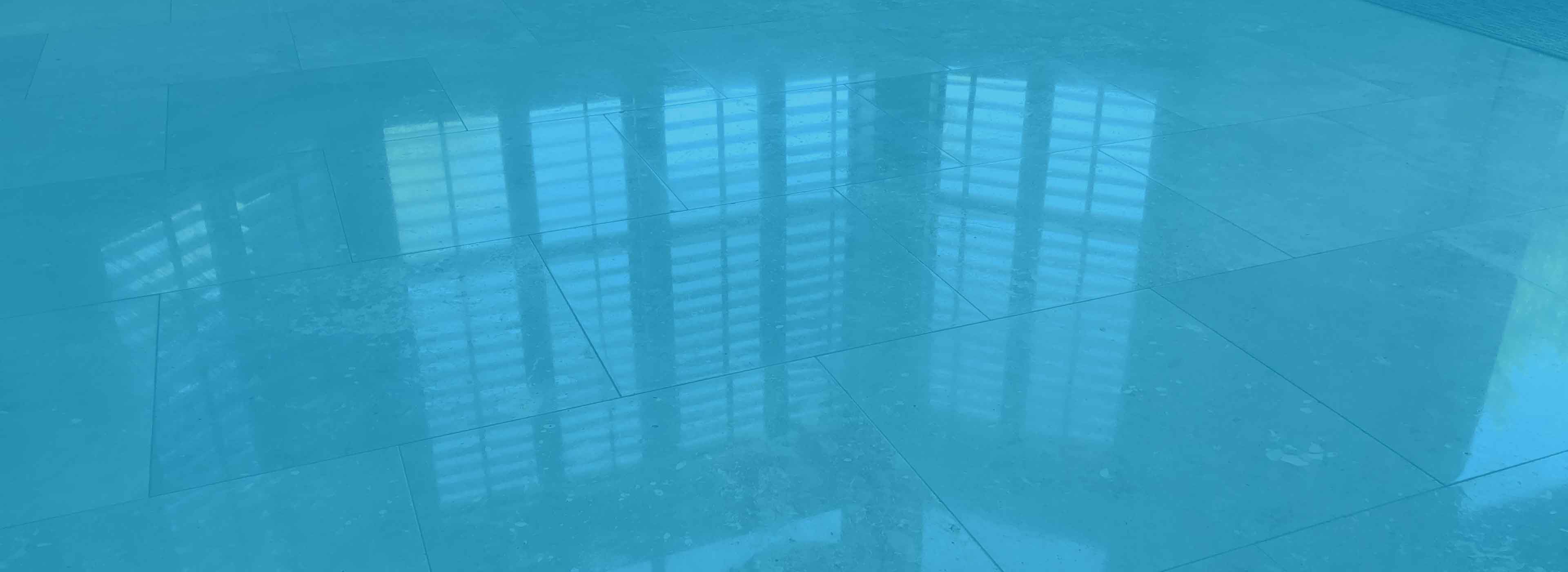
This flooring in Paradise Valley was very neglected and coated with a wax, we stripped it completely off, then honed and polished it back to a natural shine
Industry: Natural Stone, Tile and Grout Cleaning and Restoration
Cody has been in the Natural Stone, Tile and Grout service for 27 years, his knowledge and experience in this field helps get your job done correct the first time. If there is anyone you want on your job site it's Cody.