What to Expect from Your Local Travertine Cleaning Experts
Travertine is a beautiful yet delicate stone that thrives with the right care — especially in Arizona’s tough climate. If you’re a homeowner in Metro Phoenix or the East Valley searching for professional travertine cleaning services near me, AriStone Cleaning and Restoration offers expert solutions to clean, seal, and restore your natural stone surfaces. This guide covers everything you can expect from trusted local professionals.
Travertine is the stone of choice for many homes in Arizona homes which is why there is a consistent need for good professional travertine cleaning services. But more than that, whether it's your patio, entryway, bathroom, or kitchen floor, travertine surfaces need more than regular mopping to stay in good shape.
At AriStone Cleaning and Restoration, we work with homeowners across Metro Phoenix and the East Valley — Chandler, Gilbert, Mesa, Tempe, Queen Creek, and Scottsdale — to restore and protect their travertine through proper cleaning, sealing, and repair.
This guide walks you through exactly what happens when you hire a professional, from the first inspection to the final seal. If you're still weighing your options, our breakdown of DIY vs. professional tile and grout cleaning is a good place to start.
Why Professional Travertine Cleaning Services Are Necessary in Arizona
Travertine is a highly porous, calcium-based stone that can easily absorb liquids, making it prone to stains and grime if not regularly cleaned and maintained. It's also vulnerable to scratching and chemical etching from acidic household cleaners, which rules out a lot of common cleaning products.
Arizona's climate makes things harder. Outdoor travertine tiles on patios, pool decks, and walkways deal with dry heat, hard water, dust storms, and intense sun. Over time, those conditions cause:
Fading and discoloration from UV exposure
Calcium deposits and hard water stains from sprinklers and pool water
Surface erosion and sealant breakdown
Indoors, travertine floors in bathrooms, kitchens, and entryways face their own set of problems:
Etch marks from acidic substances like juice, wine, or cleaning products
Mold or mildew in showers and around sinks
Surface scratches and scuff marks from foot traffic in high traffic areas
Dull spots and staining when the stone's surface isn't properly maintained
Travertine is a porous natural stone that requires specialized cleaning solutions and stone safe cleaners. Not generic products. Hiring a professional service helps avoid the risks of using inappropriate cleaning products that can cause damage to the stone.
Specialized equipment and stone-safe cleaners are essential for maintaining travertine to prevent structural damage.
Whether inside or out, travertine needs cleaning suited to Arizona's climate and water. Regular maintenance prevents repairs and keeps the floors looking good.
1. On-Site Evaluation
The first step with any reputable company like AriStone Cleaning and Restoration is a thorough on-site evaluation of your travertine surfaces.
During this visit, we:
Inspect travertine tiles for stains, surface scratches, or dull spots
Test the current sealant condition
Identify etch marks, travertine cracks, or naturally occurring holes that need repair
Note whether you have filled travertine or unfilled travertine, since each requires a different approach
Assess whether surfaces are in high traffic areas or lower-use zones
The distinction between indoor and outdoor travertine matters. A shaded courtyard patio has different needs than a high-traffic kitchen floor.
This evaluation is what allows us to build a plan that actually fits your stone. Not a one-size-fits-all service. For a closer look at how this plays out for homeowners searching nearby, check out what to expect from local travertine cleaning experts.
2. Custom Cleaning Plan
Once we understand the condition of your travertine, we develop a plan specific to your situation. A multi-step process for travertine cleaning typically includes deep cleaning, honing, polishing, and sealing to restore the stone's natural beauty and protect it from future damage.
For the cleaning phase, we use:
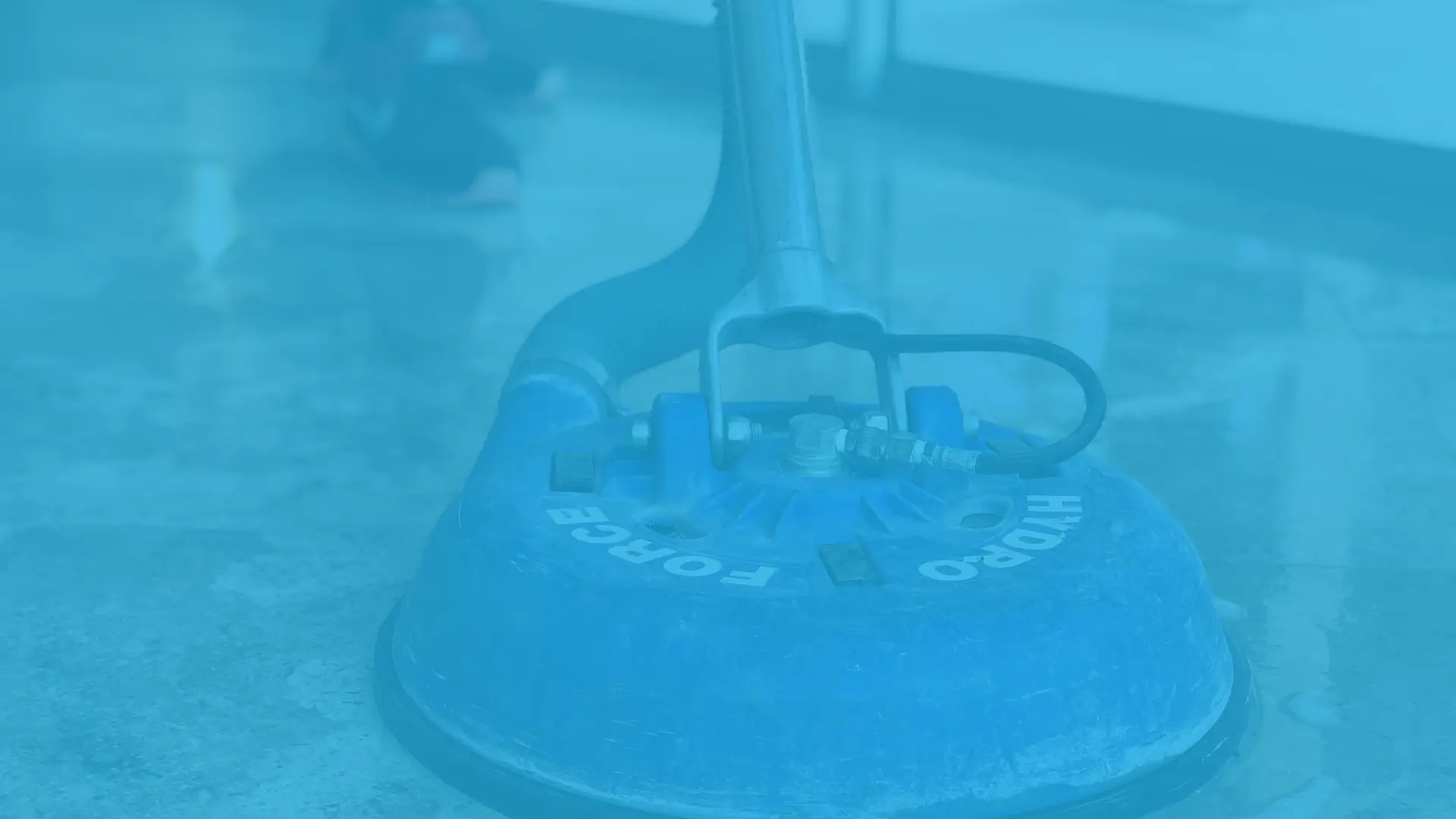
Deep cleaning with truck-mounted hot water extraction
Our truck-mounted systems can generate pressures up to 1,200 psi to lift embedded dirt that regular mopping cannot reach. This is especially effective for outdoor travertine, neglected stone, and ground-in grime.
pH-neutral stone cleaner
Professional services utilize pH-neutral solutions to protect travertine during cleaning and restoration. We never use vinegar, bleach, or anything acidic that could cause etching or surface damage.
Targeted travertine stain removal
Whether it's rust on a patio, mold in a shower, or staining agents that have soaked into the stone, we treat problem areas with professional-grade, non-acidic products. Using specialized cleaning solutions — such as alkaline or acid-based cleaners applied correctly — can effectively break down dirt and grime on travertine surfaces.
Grout cleaning
We also clean grout lines, which collect dirt, mold, and grime over time. Proper cleaning of grout lines is part of a complete travertine floor cleaning service.
All methods we use are eco-friendly and safe for natural stone surfaces. Professional cleaning of travertine is recommended every 12–18 months for high-traffic areas and every 2–3 years for lower-traffic zones to maintain its appearance and durability.
3. Honing and Polishing (If Needed)
If your travertine floors show dull spots, surface imperfections, light scratches, or etch marks from acidic substances, we may recommend honing or polishing as part of the restoration process.
Honing is a technique that removes the top layer of stone to eliminate deep scratches, water stains, and etch marks. Professionals may use diamond-infused abrasive pads — diamond abrasives — for honing to remove fine scratches and restore the stone's reflective finish.
It's more effective than polishing for restoring heavily damaged surfaces, and it leaves a soft matte or satin finish that's velvety smooth to the touch.
Polishing brings out a natural sheen or smooth finish by using polishing powders after honing. This is ideal for homeowners who want a more refined, glossy look, particularly on indoor floors, vanities, tub surrounds, and entryways where travertine tiles see regular foot traffic.
Honing and polishing are best suited for indoor travertine floor cleaning, where wear and tear from daily use causes the stone to lose its natural beauty over time. The desired finish, whether soft matte or high-gloss, determines which process we use or whether we combine both.
The desired finish, whether soft matte or high-gloss, determines which process we use or whether we combine both. For a deeper dive into how each finish is achieved, see our guide on travertine polishing and honing finishes.
4. Filling Holes and Repairing Damage
Travertine naturally contains pits and voids — naturally occurring holes — as part of how it forms. Over time, these can grow larger or fill with debris. If you have unfilled travertine, those holes are exposed; filled travertine has had those voids treated, but the fill material can crack or loosen with age.
Our skilled technicians can fix travertine cracks and repair:
Natural holes and open voids caused by erosion or impact
Travertine cracks along grout lines or tile edges
Chips or broken sections at the repair site
Surface damage from heavy wear or impact
Travertine naturally develops internal voids over time that can be filled with custom-tinted epoxy or polyester resin during the restoration process. We color-match the filler to blend with your stone — whether it's a golden-toned travertine or a creamy beige floor. So the repair site is barely visible.
Expert travertine repair services done right avoid the need for full tile replacement and prevent more costly repairs down the road.
5. Sealing the Travertine
Sealing is one of the most critical steps in any travertine cleaning and restoration service. Travertine is highly absorbent. If left unsealed, staining agents, moisture, and debris penetrate the stone's surface and cause permanent damage.
Professional travertine sealing creates a water-tight barrier that prevents stains and discoloration, protecting the stone from dirt, mold, mildew, bacteria, and water damage.
We apply a premium penetrating sealer that:
Repels water and oil-based stains
Improves stain resistance against pool chemicals and everyday spills
Prevents mold and mildew growth
Extends the life of the stone
Reduces the need for deep cleaning between visits
For homeowners who want both protection and enhanced appearance, we also offer an enhancing sealer option that deepens the stone's natural color while still providing full protection.
Using a high-quality penetrating sealer on travertine enhances its natural beauty and makes routine maintenance easier by reducing the frequency of deep cleaning required.
Sealing travertine helps extend its lifespan by preventing the absorption of liquids that can lead to staining and degradation of the stone.
It is recommended to have travertine floors professionally deep-cleaned and resealed every 3 to 5 years, depending on foot traffic. Travertine should be cleaned and sealed at least every 2 years to maintain its appearance and prevent damage.
For most Phoenix-area homes, we suggest sealing every 12–24 months for optimal protection, especially for outdoor travertine surfaces exposed to pool water and sprinklers.
6. Post-Cleaning Maintenance Tips
After the service, we don't just leave you to figure out regular maintenance on your own. We give you clear, practical guidance for keeping your travertine properly maintained between professional visits.
This includes:
Use only a pH-neutral stone cleaner — never vinegar or bleach
Dry mop or vacuum regularly to keep grit from causing surface scratches
Blot spills right away, especially acidic substances like juice or wine
Use area rugs in high-traffic areas to reduce wear and tear on the stone
Avoid harsh or acidic cleaners on outdoor travertine surfaces
For other travertine surfaces like tub surrounds and bathroom walls, stick to stone safe cleaners only
We also offer professional maintenance packages for homeowners who want to stay on a consistent schedule and avoid the kind of surface damage that leads to costly repairs later.
What to Look for When Hiring an Expert
A good restoration professional will be certified specifically in natural stone restoration, ideally recognized by organizations like the Natural Stone Institute. When comparing travertine services, watch out for:
No references or poor online reviews
Use of generic cleaners is not safe for natural stone surfaces
No insurance or licensing
General cleaning companies without stone-specific expertise
Vague service descriptions or inflexible pricing
High-pressure sales tactics
At AriStone, we believe in transparency, education, and lasting results. Not shortcuts or sales pressure.
Why Arizona Homeowners Choose AriStone
Here's why we've done a fantastic job for thousands of Arizona homeowners:
Locally owned and operated in Phoenix. We know the region's climate, water hardness, and travertine trends
Over 27 years of experience in restoring travertine
Cleaned thousands of travertine floors in Arizona — residential and commercial properties
Over 320 positive Google reviews
Skilled technicians trained in both expert cleaning and expert travertine repair services
We work on all types of natural stone surfaces, from outdoor pavers to polished indoor kitchen floors
How Much Do Travertine Services Cost in Arizona?
Here's what travertine cleaning typically costs in Phoenix and the East Valley:
Basic cleaning: $0.50–$1.00 per sq. ft.
Honing or polishing: $1.00–$3.00 per sq. ft.
Filling holes and sealing services: Varies based on the size, condition, and location of the travertine tiles
We offer a free estimate and walk you through your options in plain language. You'll never be surprised by hidden fees or upcharges.
Bring Your Travertine Back to Life
Your travertine floors are a significant investment in your home's value. Whether you live in Phoenix, Chandler, Gilbert, Mesa, Tempe, or Scottsdale, keeping that investment in shape means more than just regular cleaning. It requires professional maintenance tailored to Arizona's unique environment.
If you've been searching for professional travertine cleaning services, trust the local experts at AriStone Cleaning and Restoration to do the job right.
From cleaning and restoration on outdoor patios to polishing powders and honing for indoor floors, we deliver results that last.
Ready for a Free Estimate? Call us at (480) 352-2987 to schedule your free in-home evaluation for our professional travertine cleaning services.
Frequently Asked Questions
How often should travertine floors be professionally cleaned and sealed?
High-traffic indoor areas should be professionally deep-cleaned every 12–18 months, while lower-traffic zones can go 2–3 years between cleanings. Sealing is typically recommended every 12–24 months for Arizona homes, especially for outdoor travertine exposed to pool water and sprinklers, with a full reseal every 3–5 years depending on wear.
Can I clean travertine with vinegar or regular household cleaners?
No. Travertine is a calcium-based stone that reacts to acidic substances like vinegar, bleach, and many common household cleaners, causing etching and permanent surface damage. Only pH-neutral, stone-safe cleaners should be used, which is one of the main reasons professional cleaning is recommended over DIY products.
What's the difference between honing and polishing travertine?
Honing removes the top layer of stone to eliminate deep scratches, water stains, and etch marks, leaving a soft matte or satin finish. Polishing comes after honing and uses polishing powders to create a glossy, reflective sheen. Honing is better for heavily damaged surfaces, while polishing is ideal for homeowners wanting a refined, high-shine look.
How much does professional travertine cleaning cost in Arizona?
Basic travertine cleaning typically runs $0.50–$1.00 per square foot, while honing or polishing costs $1.00–$3.00 per square foot. Pricing for filling holes and sealing varies based on the size, condition, and location of the travertine, which is why most companies, including AriStone, offer a free in-home estimate.
Industry: Natural Stone, Tile and Grout Cleaning and Restoration
Cody has been in the Natural Stone, Tile and Grout service for 27 years, his knowledge and experience in this field helps get your job done correct the first time. If there is anyone you want on your job site it's Cody.