Let's take look and see if we can help you identify what type of stone tile you might have.
There are so many different types of stone flooring. The different varieties make it hard to identify the type of stone you may have, especially if you do not have any records of the flooring type.
Yes, it is highly recommended to keep records of the stone you have, the name, and the type. We know it may be hard to find that or remember if you just moved in or had the natural stone installed forever ago. Here are some helpful ways to figure out what type of natural stone flooring you have.
Stone flooring remains one of the most sought-after choices for homeowners and designers in 2026. Choosing professional care is vital; you can learn what to expect from your local travertine cleaning experts when you book a restoration service.
We will compare indoor versus outdoor applications, surface finishes that affect both appearance and safety, maintenance requirements, and realistic budget considerations.
You will also learn how natural stone tiles compare to modern stone-look porcelain, helping you choose what fits your lifestyle.
Key Takeaways
The main types of stone flooring include Travertine, Granite, Marble, Onyx, Quartzite, Sandstone, and Limestone—each with distinct visual appeal and performance characteristics
Outdoor flooring requires slip resistance and weather durability, while indoor stone prioritizes style, comfort, and compatibility with living spaces
Most natural stones, except for granite, are porous and require sealing to protect against stains and moisture damage
Regular sweeping or vacuuming is essential to remove dirt and debris from stone floors, and spills should be wiped up promptly to prevent staining
High-quality stone-look porcelain tiles can realistically replicate natural stone while offering lower maintenance and improved slip resistance
What Are The Different Types of Stone Flooring You Might Have
You could consult with a stone supplier, installer, or restoration company. Suppliers and Natural stone restoration companies come into contact with all sorts of stones daily; these two would be the best options for finding out what kind of stone you have.
If you are more of the do-it-yourself type of person, here are some characteristics that may help you determine the type of stone tiles you have.
Travertine
Typically a cream, white, beige, or tan color, tends to have more pits or filled areas. Travertine comes in many different styles, as well. You have honed, polished, filled, unfilled, tumbled, and more.
There are different grades of travertine as well (you can tell this by how much pitting you find or filled spots). Travertine tends to be a simpler pattern and tends not to have a lot of graining or veins.
Comes in all sorts of colors and styles. With granites, the stone has a distinct crystal pattern or small flecks in it. It is a visibly granular rock typically having multiple different colors scattered throughout the stone.
Limestone
It is a part of the travertine family. This type of stone is usually gray but can be also be found in white, yellow, and brown. This type of stone is softer and can easily be scratched. It is best to hone or polish limestone to help make it denser.
Typically found on countertops and in showers. This stone is the most beautiful when it is polished to a high gloss like shine. It comes in many different colors and is more unique in the sense of the veining you find in marble.
One way AriStone Cleaning and Restoration helps you determine what type of stone you have is simple. We ask that you send us photos and have our owner, Cody, review them.
From there, he can quickly and accurately determine the type of stone and typically how best to help you restore it to its true natural beauty. Once identified, knowing the type helps when calling a professional for natural stone cleaning and sealing.
These are three of the easiest and safest ways to determine the type of natural stone flooring you have. Stone tiles come in all shapes and sizes, colors, and textures.
All stone flooring gives you a different and unique look and needs to be taken care of properly. Knowing the type of stone (even if you don't know the style or the name) helps when calling a professional to come in and help with your natural stone cleaning and natural stone sealing.
Main Types of Natural Stone Flooring
The following sections cover the most commonly specified types of natural stone for residential and light-commercial floors. Each stone has a distinct personality—from the timeless elegance of marble to the rustic warmth of sandstone. Understanding their strengths, weaknesses, and ideal applications will help you match the right stone to your project.
Marble Flooring
Marble is a metamorphic rock formed from limestone under intense heat and pressure, producing the elegant veining that gives this stone its luxurious appeal. Popular varieties include white Carrara with soft gray veins, cream Calacatta with bold gold or gray striations, and darker Emperador in rich browns and blacks.
Strengths:
Creates stunning visual impact in living areas, foyers, and bathrooms
Excellent thermal conductivity makes it ideal for underfloor heating systems
Develops a beautiful patina over time with proper care
Weaknesses:
Marble is a softer and more porous stone, making it suitable for lower traffic areas, but it can be susceptible to staining and etching from acidic substances
Mohs hardness of 3-4 means it scratches more easily than granite
Requires frequent sealing, typically every 6-12 months
Marble floors shine in powder rooms, formal entryways, and master bathrooms where foot traffic is moderate, and maintenance can be consistent. Avoid high-traffic family kitchens unless you embrace the natural patina that develops.
Granite Flooring
Granite is an igneous rock known for its durability, hardness, and resistance to scratches and heat, making it a popular choice for flooring in high-traffic areas. Its dense, speckled, or mottled patterns come in a wide range of colors, including black, gray, blue-green, and red.
Granite is one of the hardest and most durable stones available, highly resistant to scratches, heat, and acidic damage
Mohs hardness of 6-7 far exceeds marble and limestone
Low porosity (often under 0.5% water absorption) reduces staining risk
Granite offers exceptional durability for hallways, commercial lobbies, hotel receptions, and busy kitchens. Darker granites hide dirt better than lighter varieties. Note that highly polished granite can become slippery when wet, so consider a honed finish for wet areas or entryways.
Slate Flooring
Slate is a metamorphic rock derived from shale, featuring natural cleft layering that creates a textured surface with excellent slip resistance. Common colors include charcoal, graphite, green, rust, and purple, with multicolored varieties offering tile-to-tile variation for organic visual appeal.
Why Slate Works:
Slate provides natural slip resistance, making it great for wet areas like bathrooms, mudrooms, and covered patios
DCOF (dynamic coefficient of friction) often exceeds 0.6 in textured states
Handles moisture and heavy wear well in both indoor and outdoor spaces
Considerations:
Some slates can be flaky or uneven, requiring careful selection
Needs sealing every 1-2 years to address porosity around 2-4%
The rustic, natural character appeals to traditional and contemporary designs alike
Limestone Flooring
Limestone is a sedimentary rock that is less dense than marble or granite, typically appearing in shades of beige, taupe, and light blue-grey, and requires sealing to prevent staining. Many limestone tiles feature visible fossils or shells that add unique character.
This sedimentary stone formed from ancient marine deposits creates warm, minimalist atmospheres perfect for living rooms, hallways, and Mediterranean-style interiors. The natural beauty of limestone lies in its soft, neutral colors that complement almost any décor.
Trade-offs:
Softer profile (Mohs 3-4) means it scratches more easily than granite
High porosity (up to 10-15% water absorption unsealed) demands regular sealing
Honed or tumbled finishes mask minor etching better than polished surfaces
Avoid installing light limestone in heavy-use kitchens where abrasive dirt accelerates wear.
Travertine Flooring
Travertine is a porous stone that can have a rustic appearance, making it a popular choice for bathrooms and outdoor spaces, but it requires sealing to prevent staining. This popular natural stone forms near mineral springs, creating characteristic pits and a distinctive Old World aesthetic.
Colors range from ivory and walnut to silver, gold, and noce
Filled travertine uses resin or grout for smoother, easier-to-clean surfaces
Unfilled travertine offers a more textured, authentic appearance
Travertine works beautifully in bathrooms, hallways, and covered patios. Avoid highly polished finishes in shower areas or pool areas—a honed finish provides better traction. This stone tile requires sealing but rewards proper care with warm tones and earthy colors that age gracefully.
Quartzite Flooring
Quartzite forms when sandstone fuses with quartz crystals under intense heat and pressure, creating a hard surface rivaling granite. Visual traits include subtle or pronounced veining, sparkling quartz grains, and colors from white and gray to blue-green and rose.
Performance Highlights:
Mohs hardness of 7 makes quartzite ideal for high traffic areas
Natural cleft finishes provide excellent traction on pool decks and outdoor paths
Lighter quartzites still benefit from proper sealing to protect against oils and stains. This stone type has grown approximately 15% in popularity since 2024 for its granite-like durability with more dramatic veining.
Onyx Flooring
Onyx is a translucent, banded stone with vivid colors—green, amber, honey, and white—often backlit for dramatic effect in high-end interior spaces. This stone offers crystalline appearance unlike any other natural option.
Best Uses:
Accent floors, medallions, and feature panels
Powder rooms and boutique showrooms
Low-traffic areas where the stone won’t be subjected to heavy wear
Limitations:
Softness (Mohs 3) means that onyx is easily scratched
Highly sensitive to etching from acids
Requires matte finishes and diligent sealing
Onyx is not a practical choice for entire floors in busy homes, but it creates unforgettable statement pieces in the right application.
Stone Flooring by Location: Indoor vs Outdoor
The same stone behaves differently depending on environment. Outdoor applications expose stone to moisture, temperature swings, UV light, and abrasive dirt, while indoor use prioritizes stain resistance, aesthetics, and underfoot comfort. Understanding these differences helps you select the best stone for each space.
Outdoor Stone Flooring
Outdoor stone flooring must withstand rain, UV radiation, temperature changes, and potentially freeze-thaw cycles without spalling or cracking. Slip resistance becomes critical around pool areas and on wet paths.
Lighter color stone stays cooler under direct sun—important for barefoot comfort around pool decks and terraces. Appropriate sealing and drainage design ensure long-term performance.
Stone Flooring in Interior Spaces
Indoor stone tile flooring creates permanence, luxury, or rustic charm depending on your selection. Natural stone flooring is hypoallergenic, as its hard surface does not trap dust, pet dander, or other allergens. A significant advantage for families with sensitivities.
Foyers and hallways: Marble, limestone, or granite for visual impact
Kitchens: Granite, quartzite, or slate for durability
Bathrooms: Travertine with honed finish, slate, or stone-look porcelain
Living rooms: Limestone or marble for warm, sophisticated atmospheres
Natural stone is naturally cold, but it works best with underfloor heating systems due to its thermal efficiency. Stone conducts and retains great heat, making radiant systems particularly effective.
Consider adding rugs in living areas for comfort and to reduce echo, as stone amplifies noise more than carpet.
Surface Finishes for Stone Flooring
A stone finish can dramatically change appearance, slip resistance, and maintenance requirements without changing the underlying material. The same marble can look sleek and formal when polished or soft and contemporary when honed.
When selecting natural stone for flooring, consider the intended application, as some stones are better suited for specific uses, such as high-traffic areas or wet environments.
Proper sealing is the most important part of stone ownership. There are many myths about tile and grout maintenance, but the reality is that stone must breathe while being protected from spills.
Polished Stone Floors
Polished surfaces of natural stone are shiny and high-maintenance, while honed surfaces provide a less slippery, more rustic feel. Polishing intensifies color and veining, creating dramatic visual impact in formal spaces.
Best for: Dry living areas, formal foyers, low-traffic statement areas
Drawbacks: Slippery when wet, shows scratches and etches more readily
Maintenance: Requires more frequent cleaning to maintain shine
Honed Stone Floors
A honed finish creates smooth but matte surfaces with minimal shine. This practical choice reduces glare and makes etching less visible than polished versions.
Benefits include:
Better slip resistance for bathrooms, kitchens, and hallways
Colors and veining appear softer, more muted
Ideal for everyday family spaces, balancing style and function
Tumbled and Brushed Stone Floors
Tumbled stone features mechanically rounded edges and surfaces, giving it an aged, antique appearance. Brushed finishes use wire wheels to create a leather-like texture. Both finishes suit travertine, limestone, and some marbles for Mediterranean or Old World aesthetics.
Functional advantages include improved slip resistance and the ability to hide minor chips and scratches. Wider grout joints may be necessary, and textured surfaces require more detailed cleaning.
Natural Cleft and Flamed Stone Floors
Natural cleft splits layered stones like slate and quartzite along their natural planes, producing ridged surfaces with excellent grip. A flamed finish uses high-temperature flames to roughen granite for outdoor use.
Both finishes work well for:
Outdoor patios and pool surrounds
Exterior steps and walkways
Areas where safety outweighs the desire for a sleek appearance
How AriStone Cleaning and Restoration Can Help
Identifying the different types of stone flooring is only the first step. Because marble, slate, and travertine all require unique care, a "one-size-fits-all" approach can damage your investment.
Free Identification: Unsure what stone you have? Send a photo to our owner, Cody, for an expert assessment and restoration plan.
Custom Restoration: We provide specialized honing, polishing, and deep cleaning tailored to your stone’s specific density and finish.
Professional Sealing: We apply high-quality penetrating sealers to protect porous surfaces from stains and moisture.
Safe & Effective: Our processes are family and pet-friendly, removing deep-set dirt without using harsh chemicals that etch natural stone.
How to Choose the Right Stone Flooring for Your Project
Moving from “I like this look” to “this is right for my space” requires evaluating traffic, moisture exposure, cleaning habits, and overall style. Durability is a key factor when choosing stone flooring; harder stones like granite and quartzite are more suitable for areas with high foot traffic.
Application and Traffic Level
Foot traffic intensity should drive both stone choice and finish selection:
High-traffic corridors and kitchens: Granite, quartzite, or stone-look porcelain
Moderate-traffic bathrooms: Travertine, limestone, or slate
Low-traffic feature areas: Marble or onyx for maximum aesthetic impact
Wheeled loads from office chairs or luggage accelerate wear—factor; this should be factored into commercial planning.
Porosity, Staining, and Maintenance
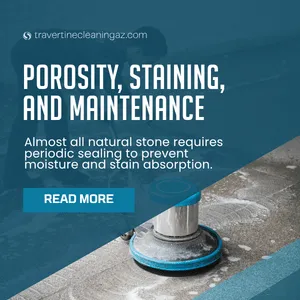
Porosity is an important consideration; porous stones like marble and limestone require sealing to prevent staining and damage over time. Almost all natural stone requires periodic sealing to prevent moisture and stain absorption.
Using a pH-neutral cleaner specifically designed for natural stone is recommended, as acidic cleaners can etch the surface. Sealing slows absorption but doesn’t make the stone completely stain-proof—prompt spill cleanup remains essential.
Style, Color, and Room Size
Lighter color stones (beige limestone, ivory travertine) make small rooms feel larger
Dark stones (black slate, dark granite) add drama but show dust more easily
Wall cladding in matching stone extends the look vertically for a cohesive design
Consider natural light direction and existing furnishings. Wall tiles in complementary stone create stunning accent walls when used thoughtfully.
Budget and Lifecycle Costs
High costs and regular maintenance needs due to porosity are drawbacks of natural stone flooring. Budget considerations include:
Material costs: $5-15/sq ft for common granite versus $20-50 for exotic onyx
Installation: $8-15/sq ft, depending on complexity
Ongoing sealing: $1-2/sq ft every 1-3 years for porous stones
Professional restoration: Every 10-20 years for high-traffic marble or limestone
Stone flooring can literally last a lifetime or longer, making it a long-term investment despite higher upfront costs.
Care and Protection: Sealers and Enhancers
Proper sealing and care significantly extend the life and appearance of natural stone floors. Penetrating sealers soak into the stone without changing appearance, while enhancers deepen color and emphasize texture. Understanding these products helps maintain your investment.
Using Stone Sealers
Sealers reduce liquid absorption and make spill cleanup easier—they don’t make stone indestructible. Application involves:
Clean the surface thoroughly
Allow complete drying (24+ hours)
Apply the sealer evenly across the surface
Allow penetration time per product instructions
Wipe off excess before it dries
Test sealer performance periodically by placing water drops on the stone. If absorption occurs within 5 minutes, reapplication is needed. Avoid generic concrete sealers not formulated for organic materials like natural stone.
Color Enhancers and Restoring Appearance
Enhancers bring out richer color on honed, tumbled, or natural cleft stones. Results include darker, deeper warm tones, more pronounced veining, and a subtle satin finish. Always test enhancers in an inconspicuous area first—penetrating products are difficult to reverse.
Professional stone restoration services can rehone or re-polish worn floors, particularly marble and limestone in older homes from areas like Lewis Center and beyond. This process can add decades to floors, showing their age.
Get an Expert Opinion in Minutes
For more information or if you would like to send a photo to determine your type of stone, you can call or text 480-352-2987, or if email works better cody@travertinecleaningaz.com. You can also refer to our website for more details on how to care for and protect your natural stone tiles.
Don't leave your floors to chance. Contact AriStone Cleaning and Restorationtoday, and let’s make sure your stone stays stunning for years to come. We will help you choose the different types of stone flooring that best fit your surface and property.
Frequently Asked Questions
Which stone flooring is best for children and pets?
Opt for granite, quartzite, or stone-look porcelain; these are harder and less porous, making them scratch-resistant from claws and toys. Use honed or textured finishes to prevent slips, and stick to medium-tone patterns to better hide fur and crumbs.
Can I install stone over underfloor heating?
Yes. Natural stone and porcelain are excellent heat conductors. For the best results, ensure uniform thickness throughout the installation and follow a slow, gradual warm-up period. While thinner stones heat up faster, all stone types retain warmth efficiently once at temperature.
Is natural stone flooring slippery when wet?
Slipperiness is determined by the finish. Polished surfaces are the slickest; for wet areas like bathrooms or kitchens, choose honed, tumbled, or brushed finishes. Always verify the DCOF (slip-resistance) rating before purchasing.
Can I mix different stone types in one home?
Definitely. To maintain a cohesive look, coordinate color tones (staying within warm or cool palettes) and match finishes across connected spaces. Be sure to plan for threshold detailing, as different stones often vary in thickness.
How long does stone flooring typically last?
With basic maintenance, stone can last a lifetime. Unlike carpet or vinyl, it can be professionally restored, re-sealed, and polished to its original glory. Any minor wear or "patina" that develops over decades often adds to its character and value.
Industry: Natural Stone, Tile and Grout Cleaning and Restoration
Cody has been in the Natural Stone, Tile and Grout service for 27 years, his knowledge and experience in this field helps get your job done correct the first time. If there is anyone you want on your job site it's Cody.